

Dryness & Dehydration
Hydration that holds.
Tired-looking skin is not inevitable. Dehydrated skin is a condition that affects every skin type, and it responds well to the right ritual.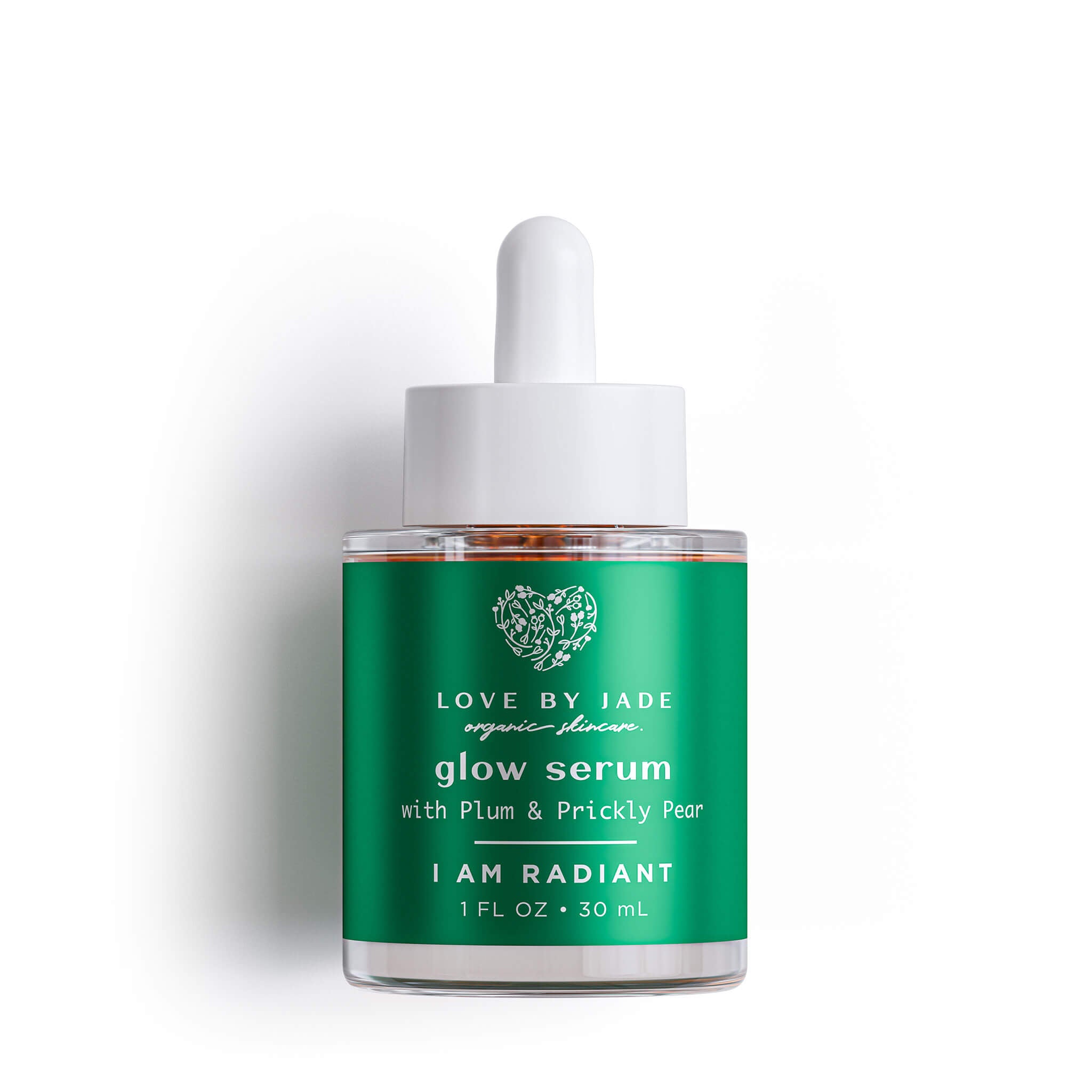
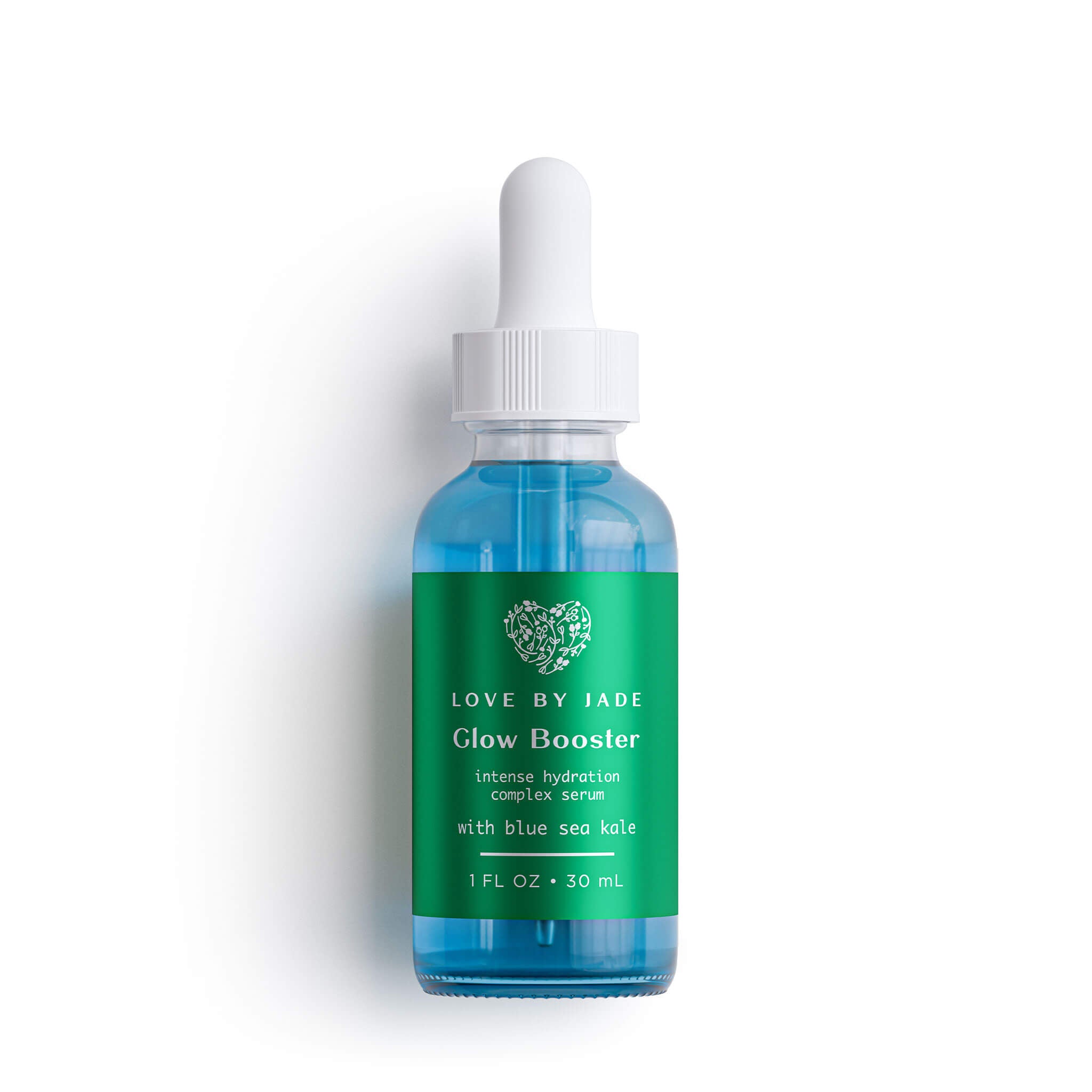
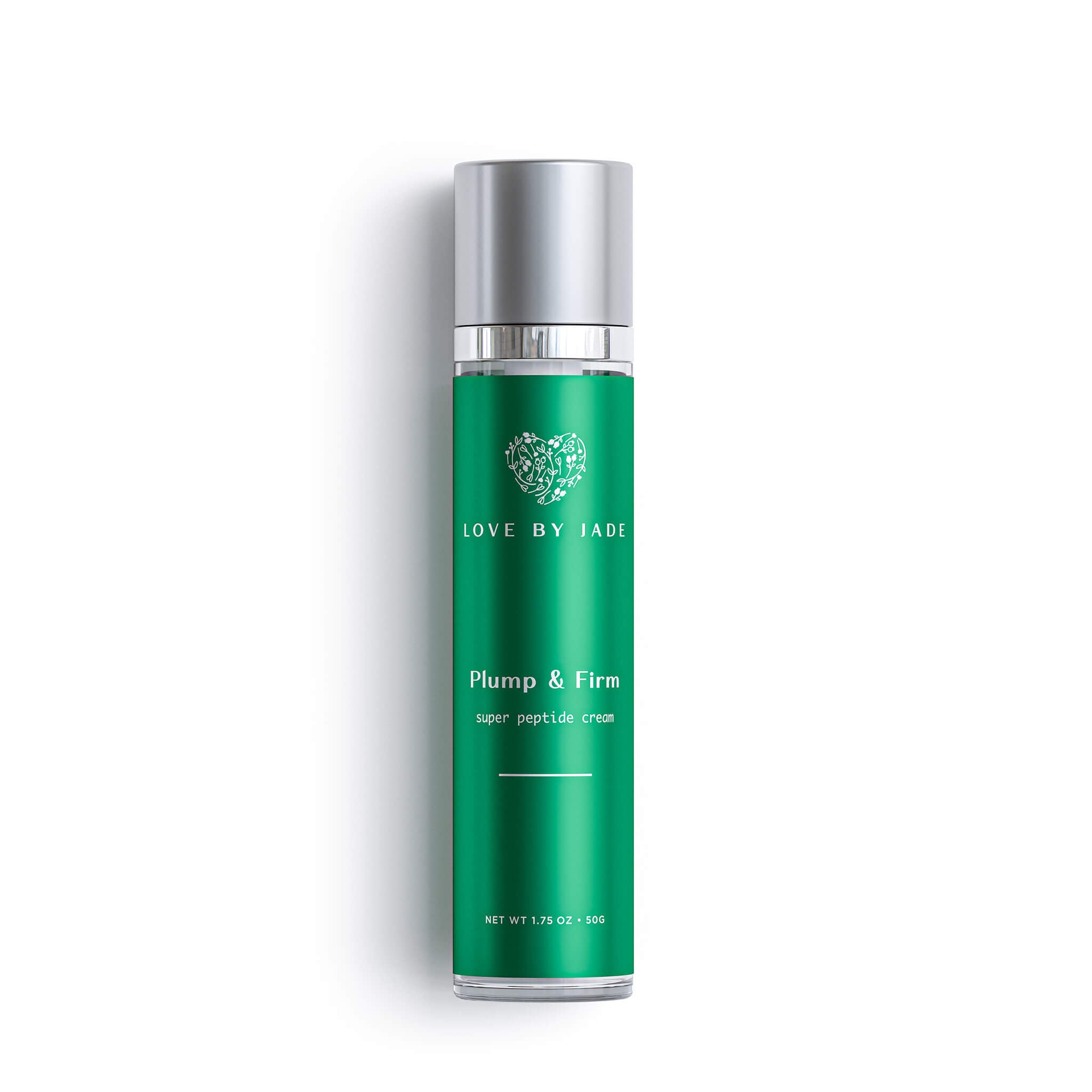
Hydration That Works as a System

The Deep Hydration Ritual
Dry Skin Is Not Dehydrated Skin
The most common misunderstanding about skin is that dry skin and dehydrated skin are the same thing. They are not.
Dry skin is a skin type. It produces less oil than other skin types and tends to feel tight and look flaky year-round. Dehydrated skin is a condition. It is about water, not oil. It can affect any skin type, including combination and oily skin, and it responds well to the right ritual.
When the skin is dehydrated, the upper layers of the epidermis lack water. This shows up as a dull, uneven complexion, the appearance of fine lines that seem to come from nowhere, and a feeling of tightness that does not ease after moisturising. You may also notice makeup sitting unevenly on the skin or your complexion looking tired regardless of how much sleep you have had.
Understanding this distinction changes how you care for your skin. You are not managing a fixed skin type. You are addressing a condition that responds to consistent, targeted care.
Why Skin Loses Water
The skin loses water all the time. This is a natural process called transepidermal water loss, or TEWL. A healthy skin barrier helps slow this process. When the barrier is compromised, water escapes more freely and the skin struggles to stay hydrated.
Everyday factors accelerate this loss. Cleansers that are too stripping remove the natural oils that protect the barrier. Environmental conditions such as heating, air conditioning, low humidity, and wind pull moisture from the skin continuously. UV exposure increases water loss. Products with high alcohol content and over-exfoliation can weaken the barrier over time.
Diet and hydration also play a role. Skin that does not receive adequate water from within reflects that on the surface. Caffeine and alcohol both have dehydrating effects.
This is not about doing everything wrong. Skin dehydration is a common response to how most of us live. Understanding the causes helps you build a ritual that addresses it properly.
How Humectants Work
A humectant is an ingredient that attracts water. In skincare, humectants draw moisture toward the surface of the skin from the environment and from the deeper layers of the skin itself. The result is a plumper, more supple appearance at the surface.
Hyaluronic acid is the most studied humectant in skincare. It is a molecule that occurs naturally in the body and has an exceptional capacity for holding water. When applied topically, it helps draw moisture to the skin's surface and supports a visibly fuller, more hydrated appearance. See how hyaluronic acid works as part of a full hydration ritual in From Dry to Dewy: Hyaluronic Acid Serum for Intense Hydration.
Humectants work best on damp skin. When applied while the skin still has some moisture from cleansing, they have more water available to attract and retain. The order and timing of application matters.
The Step Most People Miss
Humectants attract water. They do not hold it there on their own.
Without something to seal the surface, water drawn to the skin by a humectant can evaporate almost as quickly as it arrived. This is especially true in dry environments or rooms with heating or air conditioning running continuously.
A nourishing cream applied over your hydration serum helps slow this water loss. It forms a layer over the skin that gives the humectants time and conditions to work. Two steps. Both necessary. Together they are significantly more effective than either product alone.
Building the Ritual
The ritual for dehydrated skin does not need to be complicated. It needs to work in the right order and it needs to be consistent.
Begin on skin that is slightly damp after cleansing. Apply your hydration serum, patting it gently across the face. Follow immediately with your cream, which seals in what the serum has delivered. Do this morning and evening.
At night, the skin does much of its restorative work. A consistent evening application of both serum and cream supports that natural process and gives the skin the conditions it needs to feel better by morning. You will notice the difference within days. The longer-term improvement comes from not stopping.
Ingredients Worth Understanding
Hyaluronic acid works across multiple molecular weights. Larger molecules work at the skin's surface, delivering immediate softness and suppleness. Smaller molecules reach deeper, supporting hydration from within the skin. A serum formulated with both provides a more complete response to dehydration.
Peptides in a cream formulation support the skin barrier, helping it retain moisture more effectively over time. Consistent use of a peptide-rich moisturiser helps the skin appear firmer and more resilient, and supports the skin's capacity to hold water naturally rather than relying entirely on what you apply.
Plant-derived emollients soften the surface of the skin and improve its texture, reducing the appearance of the fine lines that dehydration brings forward. They work with humectants, not against them.
What to Expect
Hydration is one of the faster areas of skincare to show visible improvement. Most people notice a change in how their skin feels within the first few days of a consistent humectant and sealing ritual. Tightness eases. The complexion looks more awake and more even.
The appearance of fine lines that dehydration brings to the surface tends to soften noticeably within one to two weeks. This is not permanent structural change. It is the visible effect of skin that has enough water in it: plumper, smoother, more settled.
Over time, the skin barrier becomes more resilient. A stronger barrier retains moisture more effectively on its own, which means the work of keeping skin hydrated becomes less effort, not more.
What Jade Built This For
Jade did not start with a philosophy. She started with a problem she understood from her own skin and from the women around her. Skin that felt like it was missing something. Not more products. Something that actually worked.
A serum that draws water to where the skin needs it. A cream that helps the skin hold onto it. The ritual is simple because Jade built it to be used, not to impress anyone with complexity.
When dehydrated skin is addressed with the right ingredients, consistently, the difference is visible. More than that, it is felt. There is a version of your skin that feels settled and comfortable in itself. This is the ritual that gets you there.
Any skin type can become dehydrated. Oily, combination, and dry skin are all affected when the skin cannot hold onto water.
A two-step ritual works significantly better than either product alone. Apply serum to damp skin, follow with cream to seal.
Humectants perform better when moisture is already present. Damp skin after cleansing is the ideal moment to apply your serum.
The appearance of dehydration fine lines softens noticeably within one to two weeks of consistent morning and evening use.
Consistent use of a barrier-supporting cream helps the skin improve its own moisture retention, not just rely on what you apply.
Frequently Asked Questions
Sources
2. Rawlings AV, Canestrari DA, Dobkowski B. Moisturizer technology versus clinical performance. Dermatol Ther. 2004;17 Suppl 1:49-56.
3. Papakonstantinou E, Roth M, Karakiulakis G. Hyaluronic acid: A key molecule in skin aging. Dermatoendocrinol. 2012;4(3):253-8.
4. Lodén M. Role of topical emollients and moisturizers in the treatment of dry skin barrier disorders. Am J Clin Dermatol. 2003;4(11):771-88.
5. Fluhr JW, Darlenski R, Surber C. Glycerol and the skin: holistic approach to its origin and functions. Br J Dermatol. 2008;159(1):23-34.
6. Elias PM. Stratum corneum defensive functions: an integrated view. J Invest Dermatol. 2005;125(2):183-200.
7. Proksch E, Brandner JM, Jensen JM. The skin: an indispensable barrier. Exp Dermatol. 2008;17(12):1063-72.
8. Sethi A, Kaur T, Malhotra SK, Gambhir ML. Moisturizers: The Slippery Road. Indian J Dermatol. 2016;61(3):279-87.
9. Harding CR. The stratum corneum: structure and function in health and disease. Dermatol Ther. 2004;17 Suppl 1:6-15.
10. Choi CM, Berson DS. Cosmeceuticals. Semin Cutan Med Surg. 2006;25(3):163-8.
11. Baumann L. Skin ageing and its treatment. J Pathol. 2007;211(2):241-51.
12. American Academy of Dermatology. Dry skin: Overview, causes and treatment. aad.org.