

Sensitivity & Redness
Calm by nature.
Reactive skin is not fragile skin. It responds strongly to what surrounds it, and it responds just as well to calm, considered care.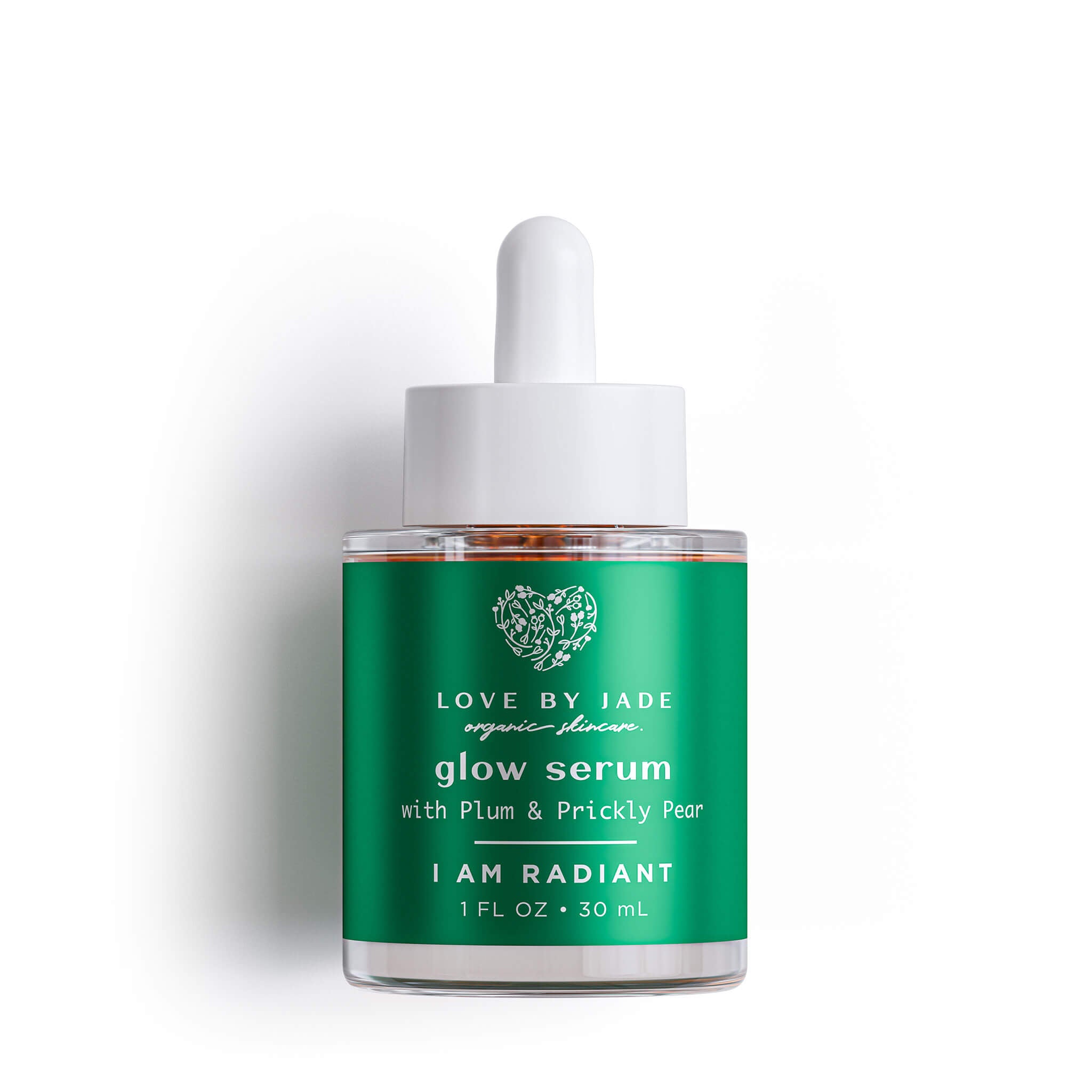
A Ritual That Never Overreaches

The Soothe & Glow Ritual
Reactive Skin Isn't Broken Skin
The word sensitive gets used as if it describes a fixed category, something you either have or you do not. It does not work that way. Reactivity is a state the skin barrier moves in and out of, shaped by what touches it, what the weather does, and how consistently it is cared for.
Redness, tightness, and stinging are signals, not a diagnosis. They tell you the barrier is under more pressure than it can currently handle, whether that pressure comes from a harsh cleanser, a strong active introduced too quickly, or simple environmental exposure.
None of this means your skin is fragile or that you are stuck reacting to everything indefinitely. Reactive skin responds well to a ritual built around calming, barrier-supportive ingredients used consistently, rather than to constant product switching in search of the one thing that finally works.
What Triggers Reactive Skin
A few things account for most reactive episodes. Fragrance, synthetic and some natural essential oils included, is one of the most common triggers. High-percentage exfoliating acids and strong actives introduced too quickly are another, especially before the skin has had time to build tolerance.
Environmental swings matter too. Central heating and air conditioning both pull moisture from the skin, and a compromised barrier loses water faster than it can replace it. Over-cleansing, hot water, and rough physical exfoliation strip the surface lipids that hold the barrier together.
Knowing your own triggers changes how you shop and how you layer product, which is why a ritual built specifically for reactive skin looks different from a general routine. Fewer variables, gentler entry points, more consistency.
Calming Ingredients That Work
Not every calming claim holds up, but a few ingredients have a genuine track record. Rosehip, present in the Glow Face Serum with Plum and Prickly Pear, carries an antioxidant and fatty acid profile that supports the skin's own barrier function.
Prickly pear seed oil, sourced from Tunisia in the same formula, is noted for its calming and soothing properties, which is part of why this serum earns its place on a sensitivity-focused ritual rather than a purely cosmetic one.
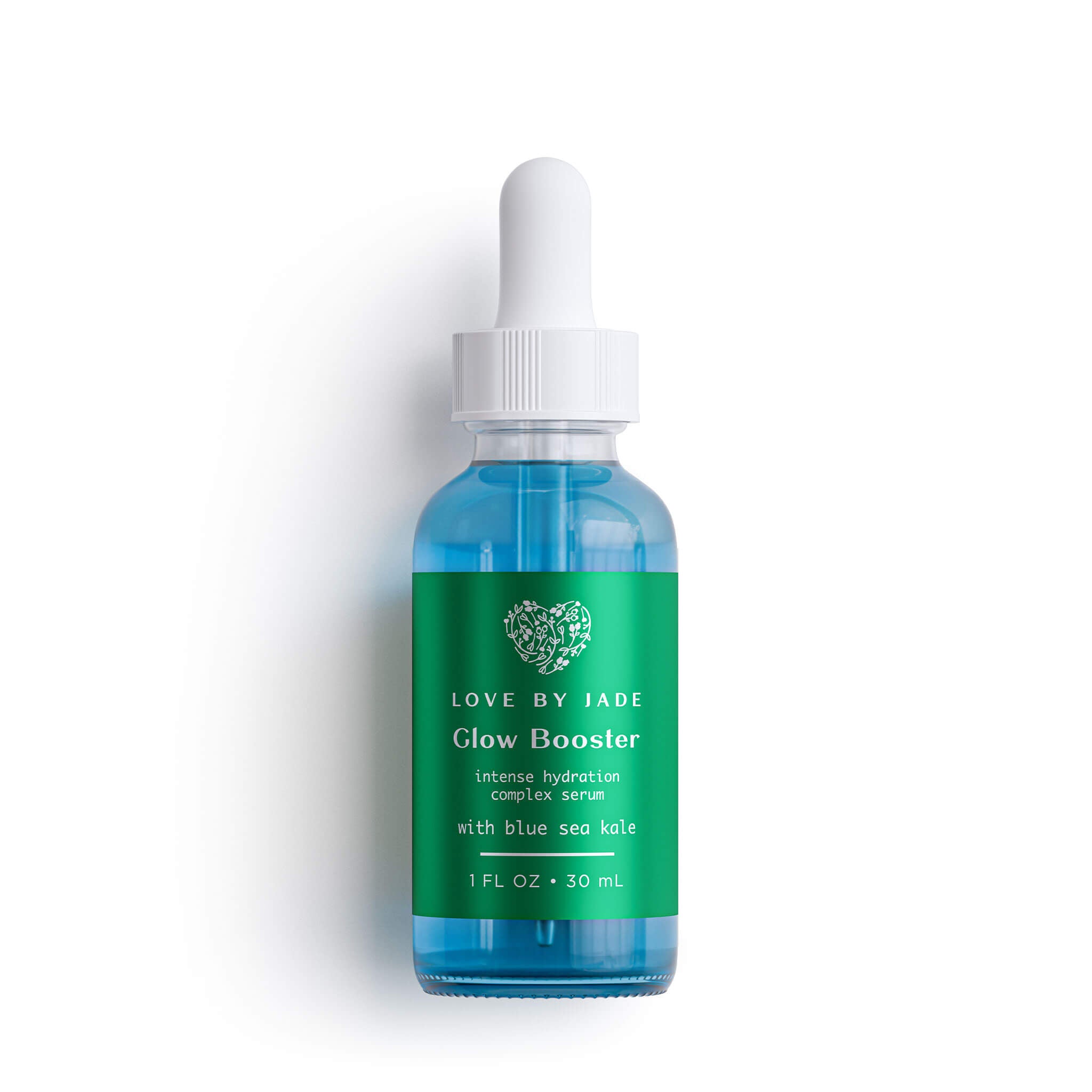
The Glow Booster works from a different angle. Its multi-level hyaluronic acid complex and Blue Sea Kale extract draw water to the surface and help soothe the appearance of reactive, sensitized skin, without the fragrance or heavy actives that commonly provoke a response.
Where Vitamin C Fits In
The instinct to keep Vitamin C away from reactive skin is understandable. Fifteen percent is an active concentration, and it is fair to ask whether that is too much for skin that already reacts easily.
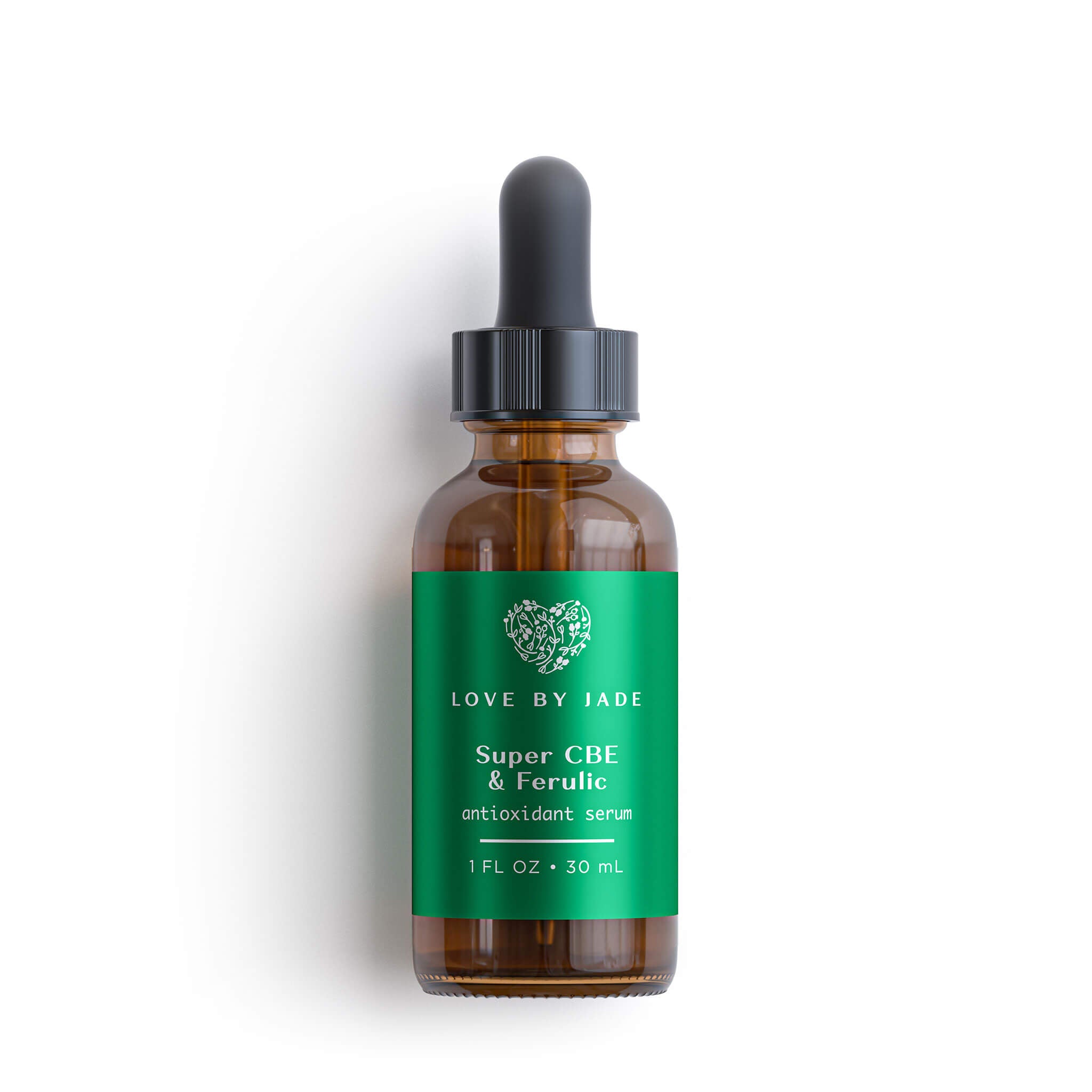
Here is the case for including it anyway. Environmental oxidative stress, from UV exposure and pollution, is itself a redness trigger, and antioxidant protection is part of a genuinely complete ritual for reactive skin, not a contradiction of it. The Super CBE and Ferulic Antioxidant Serum brings that protection in a fragrance-free formula.
The introduction matters more than the ingredient. Start every other day rather than daily, apply to damp skin, and let your skin signal when it is ready for more frequent use. As with any new active, a patch test before first use is worth the extra day.
Building The Calming Ritual
The order matters as much as the ingredients. In the morning, the Super CBE and Ferulic goes on first, while skin is calmest and most receptive to an antioxidant layer. Follow with the Glow Booster, applied to slightly damp skin so the hyaluronic acid complex has moisture to draw from. The Glow Face Serum seals the ritual, its botanical oils settling over the top. SPF follows.
In the evening, drop the Vitamin C step and repeat the Glow Booster and Glow Face Serum sequence. This is a two-step ritual with a third step added deliberately, and only in the morning, not three products layered indiscriminately.
Consistency, not intensity, is what reactive skin responds to. Fewer, better-chosen steps used every day outperform an occasional deep routine built around whatever feels urgent that week.
The Feeling You're Building Toward
The goal here is not a skin type you eventually graduate out of. It is a settled, comfortable feeling in your own skin, the kind that lets you stop bracing for how your face will react before you touch it.
That feeling is built the same way anything durable is built. Slowly, with ingredients your skin actually tolerates, applied in the same order every day, until each application stops feeling like a question your skin has to answer.
Redness and tightness signal barrier stress, not a fixed diagnosis, and the right ritual changes how often those signals show up.
Introduced gradually, Vitamin C addresses the oxidative stress that itself triggers redness, rather than working against calm skin.
A two-step calming ritual, with Vitamin C added only in the morning, outperforms switching products in search of a quick fix.
Frequently Asked Questions
Sources
2. Misery L, Sibaud V, Merial-Kieny C, Taieb C. Sensitive skin in the American population: prevalence, clinical data, and role of the dermatologist. Int J Dermatol. 2011;50(8):961-967.
3. Duarte I, Silveira JEPS, Hafner MFS, Toyota R, Pedroso DMM. Sensitive skin: review of an ascending concept. An Bras Dermatol. 2017;92(4):521-525.
4. Lin FH, Lin JY, Gupta RD, et al. Ferulic acid stabilizes a solution of vitamins C and E and doubles its photoprotection of skin. J Invest Dermatol. 2005;125(4):826-832.
5. Sahnoun Z, Trigui M, et al. The effect of prickly pear, pumpkin, and flaxseed oils on biological mediators of acute inflammation and markers of oxidative stress. Biomed Res Int. 2020.
6. Oargă Porumb A, et al. The effectiveness of a topical rosehip oil treatment on facial skin characteristics: a pilot study on wrinkles, UV spots, and erythema mitigation. Cosmetics. 2025;12(3):125.
7. Skin exposure to scented products used in daily life and fragrance contact allergy in the European general population: the EDEN Fragrance Study. Contact Dermatitis. 2021.
8. Papakonstantinou E, Roth M, Karakiulakis G. Hyaluronic acid: A key molecule in skin aging. Dermatoendocrinol. 2012;4(3):253-258.
9. Elias PM. Stratum corneum defensive functions: an integrated view. J Invest Dermatol. 2005;125(2):183-200.
10. Proksch E, Brandner JM, Jensen JM. The skin: an indispensable barrier. Exp Dermatol. 2008;17(12):1063-1072.