

Loss of Firmness
Structure, supported.
Skin that holds its structure holds you differently. Giving your skin the right support keeps it resilient, lifted, and visibly healthy over time.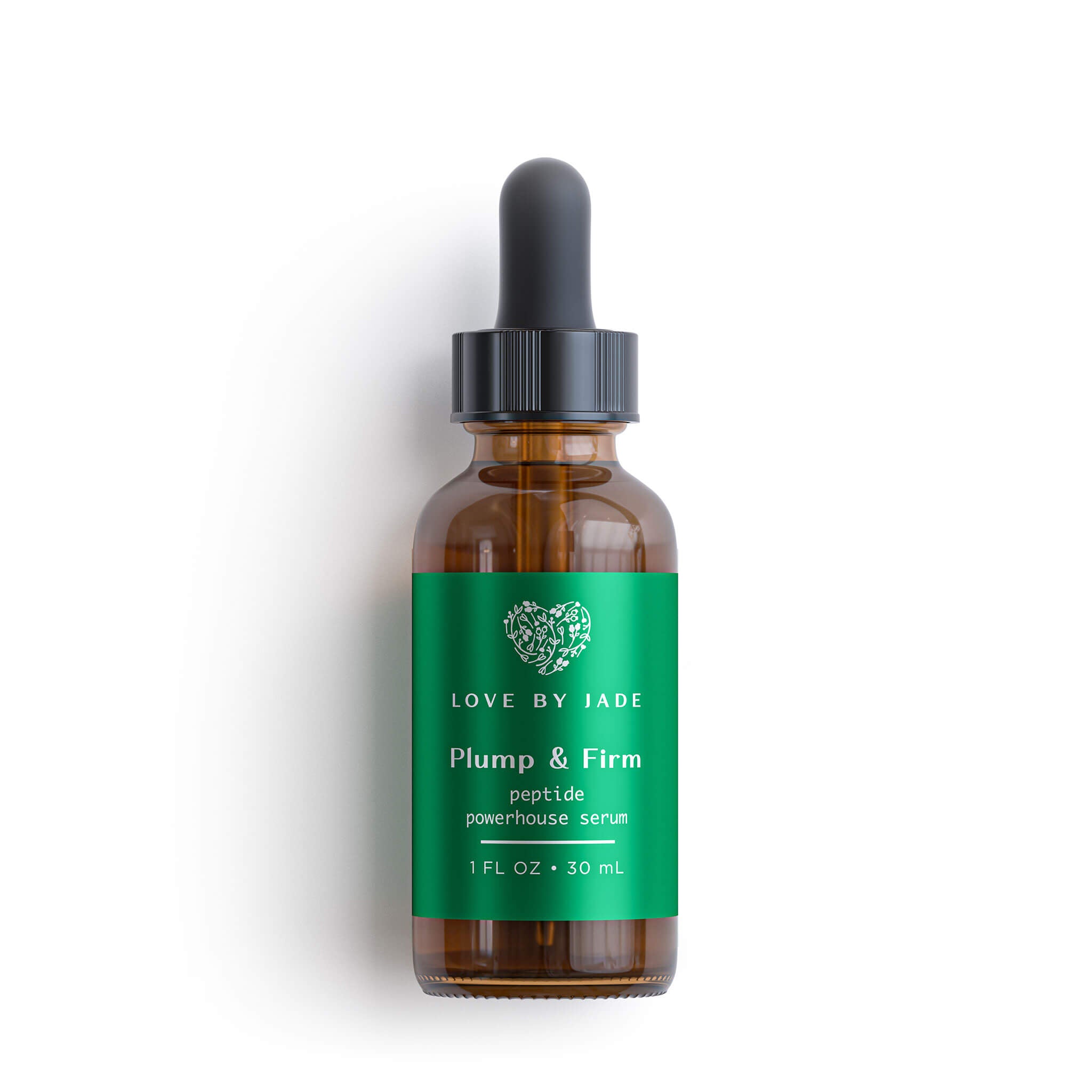
Support What Holds You

The Firm & Lift Ritual
What Skin Firmness Actually Is
Firmness is not the same as fine lines.
Fine lines form at the surface in areas of repeated movement. Firmness is structural. It is about how the skin holds together, how it responds to gravity, how it maintains its shape over time. When firmness changes, the difference shows in how the face sits, not just in individual lines.
The jawline looks less defined. The cheeks appear to sit lower. The overall surface loses the taut, resilient quality it had. These are not surface concerns. They are the skin's architecture responding to longer-term changes in the tissue below.
Understanding this distinction matters for your ritual. A firmness ritual works differently from a fine line ritual. It addresses structural support, not just surface smoothing. The goal is skin that holds itself with visible resilience over time.
Why Skin Loses Its Structure
Skin has a scaffold. With time, that scaffold shifts.
The skin's structural proteins, primarily collagen and elastin, give it its resilience and lift. Collagen provides the framework that supports the skin's shape. Elastin gives it the ability to spring back. Over time, the production of both slows, and existing fibres break down faster than the skin replaces them.
This process begins gradually in the mid-twenties and becomes more visible in the thirties and forties. UV exposure significantly accelerates it. Oxidative stress from pollution and environmental factors contributes. Hormonal changes, particularly around perimenopause and menopause, also affect how the skin maintains its structural proteins.
None of this is failure. It is biology. And biology responds to consistent, targeted care.
Peptides and Structural Support
Six peptides. Each one working where firmness lives.
Peptides support the appearance of firmer, more resilient-looking skin by working at the surface level where the visible signs of firmness loss are most apparent. Different peptides target different facial zones, which is why a multi-peptide formula covers more ground than a single-peptide product.
Matrixyl 3000, combining Palmitoyl Tripeptide-1 and Tetrapeptide-7, supports a visibly firmer surface across the jawline and cheek — the areas where firmness loss is typically most visible. Argireline and Leuphasyl address the eye and forehead zones. SYN-AKE targets the outer eye corner. Acetyl Octapeptide-3 addresses the centre forehead.
The Plump and Firm Peptide Powerhouse Serum brings all six together in one formula. Applied consistently twice daily, they support a visibly more resilient, more lifted-looking surface over time. Results are cumulative. They reward the ritual.
The Antioxidant Connection
Oxidative stress breaks down what keeps skin firm.
Free radicals, generated by UV exposure, pollution, and other environmental stressors, damage the skin's structural proteins over time. This damage is cumulative and accelerates the visible changes associated with firmness loss. Antioxidant protection helps reduce this environmental toll.
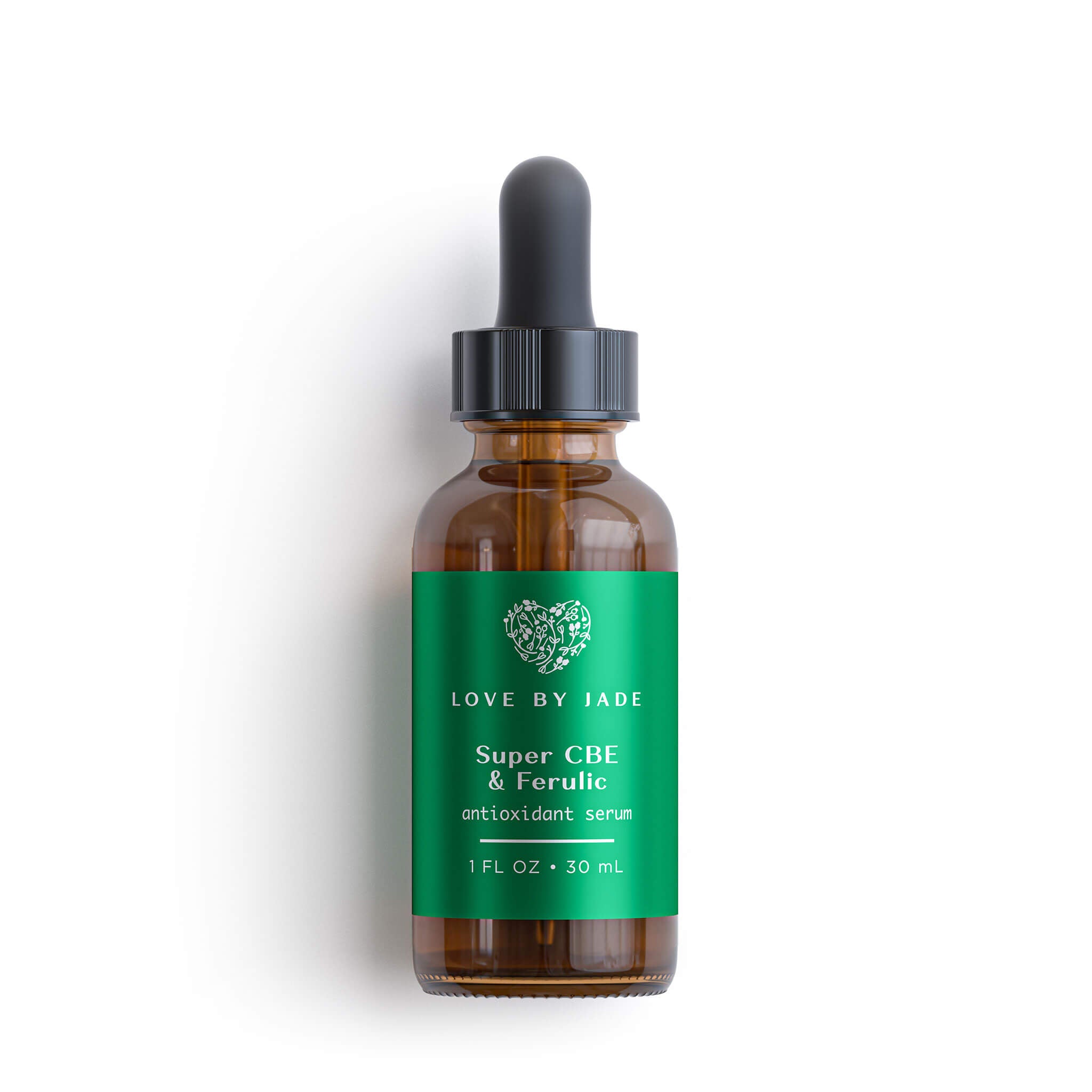
The Super CBE and Ferulic Antioxidant Serum combines 15% Vitamin C (L-Ascorbic Acid), Coffeeberry Extract, Ferulic Acid, Niacinamide, Panthenol, and Resveratrol. Vitamin C and Ferulic Acid together form one of the most studied antioxidant combinations in skincare. Coffeeberry Extract adds a further layer of environmental defence.
Antioxidant protection is not a separate concern from firmness. It is part of the same strategy. A firmness ritual that addresses both structural support and environmental defence is more complete than one that works on only one front.
Why One Product Is Not Enough
A serum reaches the surface. A cream holds it.
Serums are formulated with higher concentrations of actives and a lighter molecular structure that allows them to work at the skin's surface more directly. But without a cream to follow, moisture escapes and the actives have less protection to maintain their effect.
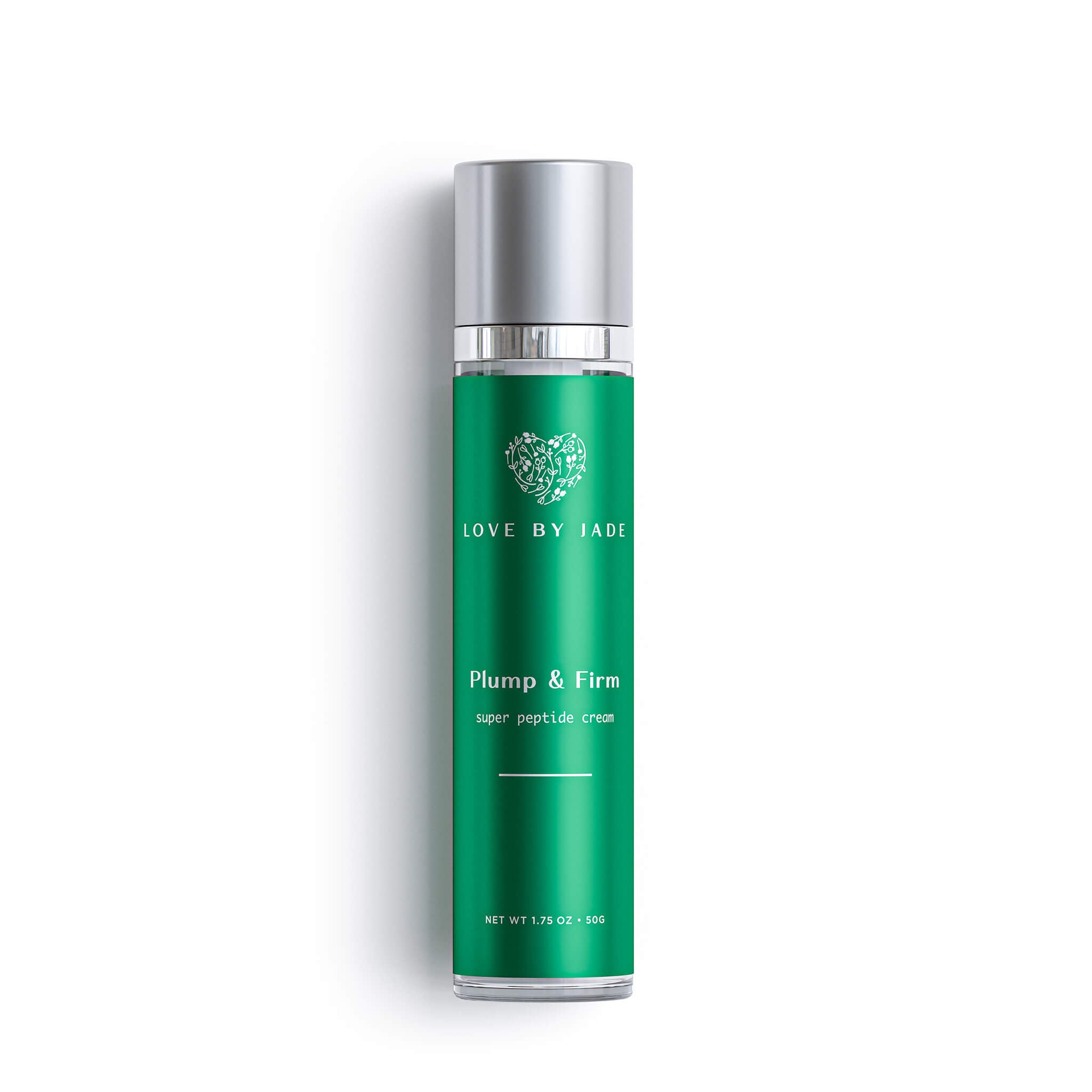
The Plump and Firm Super Peptide Cream does the sealing work. Applied over the serum, it supports the surface layer, retains moisture, and helps the serum's work hold through the day and overnight. For a firmness ritual, this step is not optional.
The serum addresses the surface. The cream protects what the serum delivered. Used together, they create the conditions for a visibly firmer, more resilient complexion. Used separately, each delivers less than it could.
Building the Firmness Ritual
Order matters. Everything that follows depends on it.
Apply the Super CBE and Ferulic Antioxidant Serum first, on clean skin. The Vitamin C serum goes on before the peptide serum to allow maximum surface contact. Allow sixty seconds to absorb.
Apply the Plump and Firm Peptide Powerhouse Serum next. This is the structural support step. Allow thirty to sixty seconds before the final step.
Apply the Plump and Firm Super Peptide Cream over the serums to seal and support. In the morning, follow with SPF. A firmness ritual that skips daily sun protection is working against itself. UV exposure is the primary external driver of structural skin change, and no serum compensates for daily unprotected exposure.
Lifestyle and Skin Structure
No ritual outperforms daily sun damage.
UV exposure is the most significant external factor in structural skin changes. Daily SPF use is not optional for anyone serious about skin firmness. A morning moisturiser with SPF 30 or higher applied every day makes a measurable long-term difference. Nothing in a serum compensates for skipping it.
Sleep is the second most important factor. The skin's structural renewal process is most active overnight. Disrupted or insufficient sleep interrupts that renewal and compounds the visible effects of firmness loss over time. Hydration from within, adequate protein intake, and regular movement all support what the ritual is doing at the surface.
The choices you make every day, the movement, the clean nutrition, the rituals that protect your energy and wellbeing, support your skin from the inside. The skincare ritual supports it from the outside. Both matter. Neither replaces the other.
What Consistent Support Delivers
Firmness responds slowly. It responds.
Unlike surface hydration, which improves within days, firmness changes take longer. The skin's structural proteins develop and break down over months and years. Supporting their appearance works on a similar timescale. Most people using a consistent twice-daily firmness ritual notice a change in how their skin feels within four to six weeks.
By twelve to sixteen weeks, the visible appearance of firmness begins to respond. The jawline holds more definition. The surface carries itself differently. The ritual is doing its job.
What consistency delivers is not a reversal. It is skin that holds itself with more visible resilience, that maintains its shape on better terms, that ages with more grace. For the woman who has chosen to invest in herself, that is exactly what the ritual is for.
Loss of firmness shows in how the skin holds its shape, not just in fine lines. A firmness ritual works at a structural level, which is different from a surface-smoothing routine.
UV exposure significantly accelerates structural skin changes. Daily SPF is the most evidence-supported step you can take to protect the long-term appearance of skin firmness.
Different peptides target different facial zones. A six-peptide formula addresses the jawline, cheek, eye, and forehead in ways that a single-peptide product cannot.
Oxidative stress from UV and pollution breaks down collagen and elastin over time. Antioxidant protection is part of a complete firmness strategy, not a separate concern.
Skin firmness responds more slowly than surface hydration. Visible changes in firmness appearance typically require twelve to sixteen weeks of consistent twice-daily use.
Frequently Asked Questions
Sources
2. Baumann L. Skin ageing and its treatment. J Pathol. 2007;211(2):241-51.
3. Fisher GJ, Wang ZQ, Datta SC, et al. Pathophysiology of premature skin aging induced by ultraviolet light. N Engl J Med. 1997;337(20):1419-28.
4. Gorouhi F, Maibach HI. Role of topical peptides in preventing or treating aged skin. Int J Cosmet Sci. 2009;31(5):327-45.
5. Robinson LR, Fitzgerald NC, Doughty DG, et al. Topical palmitoyl pentapeptide provides improvement in photoaged human facial skin. Int J Cosmet Sci. 2005;27(3):155-60.
6. Pinnell SR. Cutaneous photodamage, oxidative stress, and topical antioxidant protection. J Am Acad Dermatol. 2003;48(1):1-19.
7. Telang PS. Vitamin C in dermatology. Indian Dermatol Online J. 2013;4(2):143-6.
8. Pillai S, Oresajo C, Hayward J. Ultraviolet radiation and skin aging: roles of reactive oxygen species, inflammation and protease activation, and strategies for prevention of inflammation-induced matrix degradation. Int J Cosmet Sci. 2005;27(1):17-34.
9. Makrantonaki E, Zouboulis CC. Molecular mechanisms of skin aging: state of the art. Ann NY Acad Sci. 2007;1119:40-50.
10. Proksch E, Brandner JM, Jensen JM. The skin: an indispensable barrier. Exp Dermatol. 2008;17(12):1063-72.
11. Choi CM, Berson DS. Cosmeceuticals. Semin Cutan Med Surg. 2006;25(3):163-8.
12. American Academy of Dermatology. How to care for your skin in your 40s and 50s. aad.org.