

Uneven Tone & Dark Spots
Clarity is possible.
When your skin tone feels uneven, your reflection can feel slightly off. Dark spots and hyperpigmentation are a common skin response, and with the right ritual, they are not permanent.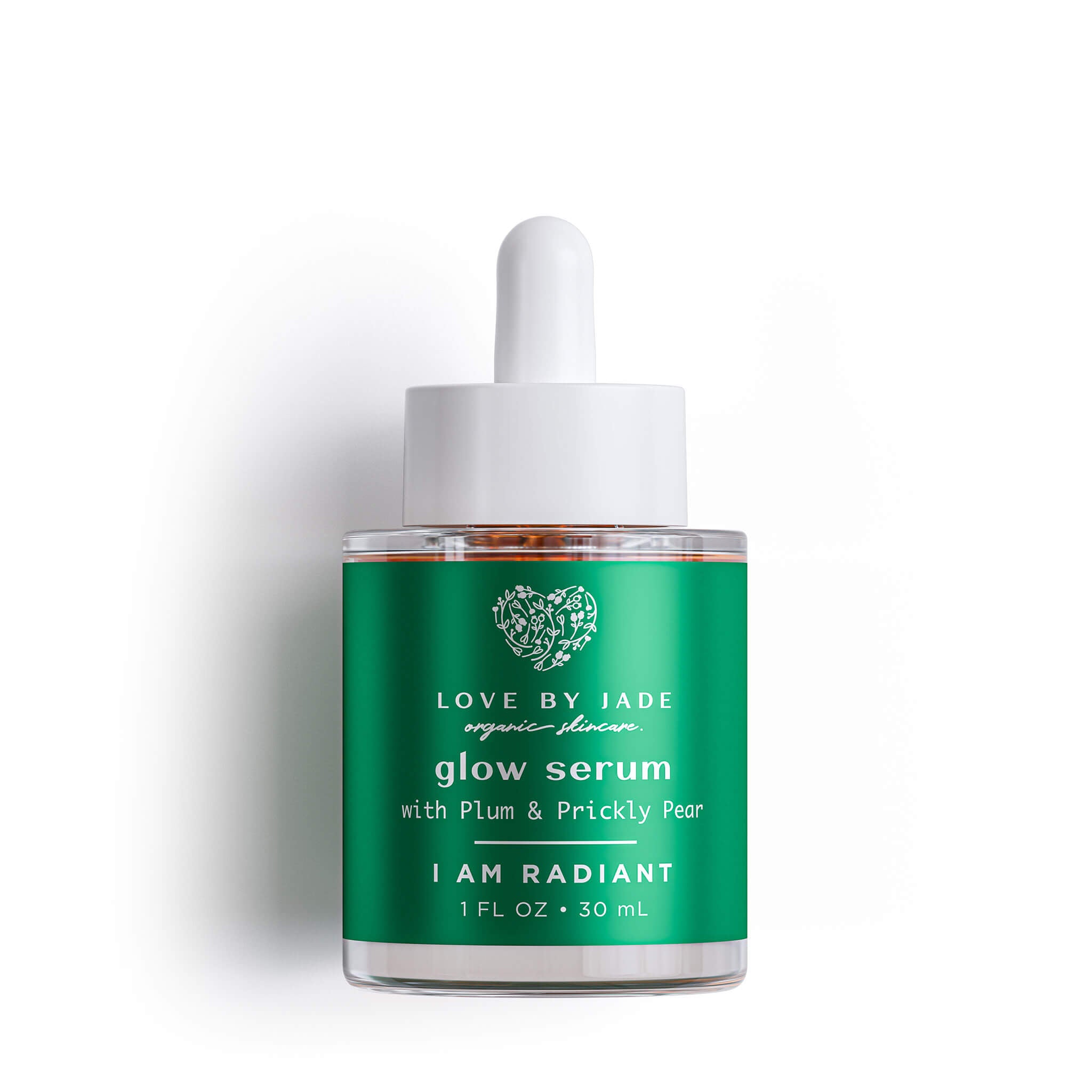
Two Serums. One Clearer Complexion.

The Glow & Radiance Ritual
Uneven Tone vs. Dark Spots
Uneven tone and dark spots are related. They are not the same thing.
Uneven skin tone is a broad term for a complexion that appears inconsistent in colour, texture, or reflectivity. It can be caused by sun exposure, dehydration, environmental stress, or the natural accumulation of surface damage over time. It does not always involve spots.
Dark spots are areas of localised hyperpigmentation, where the skin produces more melanin in response to a specific trigger. Sun exposure is the most common cause. Hormonal changes can produce melasma, a pattern of broader pigmentation usually appearing on the cheeks and forehead. Post-inflammatory hyperpigmentation follows any skin trauma, from a blemish to a minor scratch.
Both concerns benefit from the same strategy: antioxidant protection to defend against new damage, active brightening ingredients to reduce the visible appearance of existing spots, and consistency that allows results to build over time.
Why Dark Spots Form
Every dark spot has a cause.
Melanin is the pigment that gives skin its colour. It is also the skin's defence mechanism. When the skin perceives a threat, whether from UV rays, inflammation, or hormonal signals, melanocytes produce more melanin in the affected area. The result is a spot that is darker than the surrounding skin.
Sun-induced spots, sometimes called age spots or liver spots, are the most common form and appear in areas of repeated UV exposure: the face, hands, and chest. Melasma appears in symmetrical patches and is strongly influenced by hormonal changes, including pregnancy, contraceptive use, and perimenopause. Post-inflammatory hyperpigmentation follows any disruption to the skin, including blemishes, and is more pronounced in deeper skin tones.
All three types are the skin doing its job. None of them are permanent. And all three are addressed by the same core approach: reduce the triggers, support the renewal process, and protect what the ritual builds.
How Vitamin C Addresses Tone
Vitamin C is the most studied active for visible skin tone improvement.
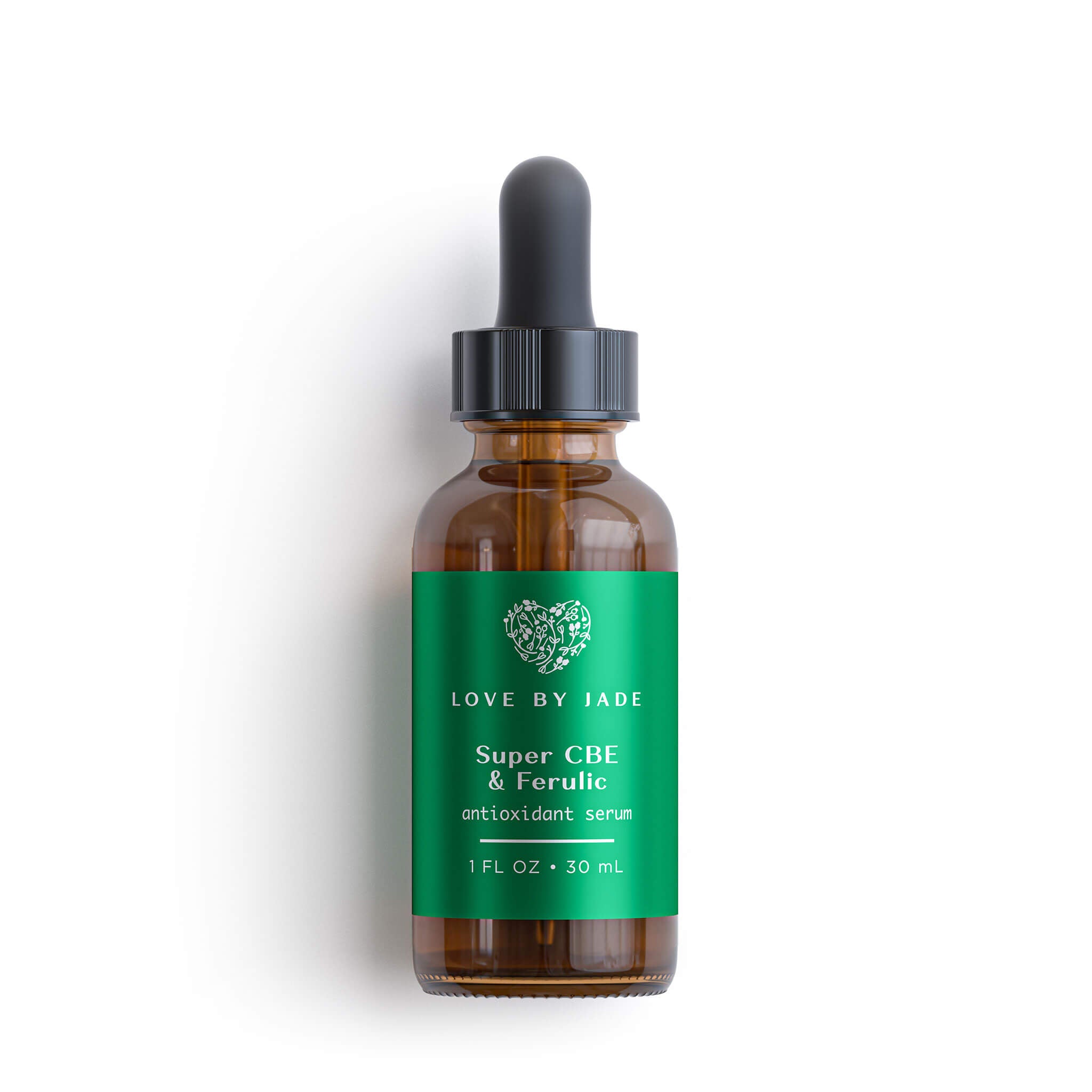
At 15% L-Ascorbic Acid, the Super CBE and Ferulic Antioxidant Serum works at the surface to help reduce the visible appearance of dark spots and supports a more even, radiant-looking complexion. Vitamin C addresses pigmentation by interfering with the process that produces excess melanin, reducing the appearance of spots that have already formed while protecting against new ones forming from UV and environmental exposure.
Ferulic Acid stabilises the Vitamin C and significantly enhances its antioxidant performance. The two actives together form one of the most studied combinations in brightening skincare. Coffeeberry Extract, Niacinamide, Panthenol, and Resveratrol complete the formula, each contributing to a more even, calmer-looking surface.
The characteristic scent of an authentic L-Ascorbic Acid and Ferulic formulation is normal. It is an indicator of an uncompromised, active formula, not a flaw.
The Coffeeberry Advantage
Coffeeberry is one of the most antioxidant-rich botanicals studied for skin.
Coffeeberry Extract, derived from the whole fruit of the coffee plant, contains a broad spectrum of polyphenols, including chlorogenic acids and other antioxidant compounds. Its antioxidant activity is significantly higher than many commonly used plant extracts, making it a valuable partner for Vitamin C in a tone-evening formula.
Oxidative stress from UV and environmental exposure is one of the primary triggers for uneven pigmentation. Antioxidants neutralise the free radicals that drive that stress. When Coffeeberry Extract works alongside Vitamin C and Ferulic Acid, the formula delivers layered antioxidant protection that addresses both surface pigmentation and the environmental triggers that cause it.
The result is a formula that does not just address the spots that are already there. It actively defends against the triggers that form new ones.
Botanicals and Skin Clarity
Four botanical oils. One goal: a more even surface.
The Glow Face Serum brings cold-pressed prickly pear seed oil from Tunisia, plum oil from France, sea buckthorn CO2 extract, and rosehip CO2 extract to the clarity ritual. Cold-pressed prickly pear seed oil is one of the richest plant sources of vitamin E and linoleic acid, both of which support a more even-toned, radiant skin appearance.
Rosehip CO2 extract contributes vitamin A and essential fatty acids that support skin texture and renewal. Sea buckthorn delivers beta-carotene and omega-7 fatty acids that support a more uniform surface. Plum oil delivers antioxidants and vitamins A and E that work alongside the Vitamin C serum's brightening action.
Used as the second serum step after the Super CBE and Ferulic Serum, the Glow Face Serum layers botanical antioxidant protection over the Vitamin C layer and supports a more even, luminous surface over time.
The Clarity Ritual
Clarity is built in layers. Applied in order.
Apply the Super CBE and Ferulic Antioxidant Serum first, on clean skin. Vitamin C is pH-sensitive and delivers its greatest effect as the first active layer on a clean surface. Allow sixty seconds to absorb fully before the next step.
Apply the Glow Face Serum next. The botanical oils layer over the Vitamin C, adding their antioxidant and tone-supporting actives while sealing the first layer in. Allow thirty seconds before continuing.
If also using the Plump & Firm Peptide Powerhouse Serum, apply it after the Glow Face Serum. Peptides support skin texture and surface evenness, which contributes to a more uniform, clearer-looking complexion. Finish the morning ritual with SPF. In the evening, the same sequence allows the skin to process and renew overnight.
SPF Is Non-Negotiable
Treat dark spots without SPF and they come back.
UV exposure is both the most common cause of dark spots and the primary reason treated spots return. Without daily SPF use, melanin production in affected areas is continuously triggered by UV rays, undoing the visible progress the ritual builds. SPF is not a supplementary step for a clarity ritual. It is the step that makes every other step count.
Apply SPF as the final step every morning, after serums and before any makeup. SPF 30 or higher, applied daily and reapplied during prolonged sun exposure, gives the skin's surface the protection it needs to allow the clarity ritual to show its full results.
No brightening serum performs at its best against active UV exposure. Sun protection and active tone treatment are not separate habits. They are one strategy.
What Consistent Care Clears
Tone evenness responds. It responds slowly.
Dark spots take time to form and time to fade. Melanin deposits in the skin's surface layers move upward and shed as part of the natural cell turnover cycle. Supporting that cycle with the right actives consistently over time produces visible results. Most people notice an improvement in the overall brightness and evenness of their complexion within four to six weeks.
The visible appearance of established dark spots typically begins to respond after eight to twelve weeks of consistent twice-daily use. Results are cumulative. The ritual rewards the woman who stays with it.
Clarity is not an event. It is the outcome of a decision made daily: to protect the skin from what damages it and to support its natural ability to renew and even itself. That decision compounds. So do the results.
Excess melanin production is the skin's natural defence to UV exposure, inflammation, and hormonal signals. All three types of hyperpigmentation respond to consistent, targeted care.
At 15% L-Ascorbic Acid concentration, stabilised with Ferulic Acid, Vitamin C helps reduce the visible appearance of dark spots and supports a more even, radiant-looking complexion.
Without daily SPF use, UV exposure continues to trigger melanin production and reverses the visible progress a brightening ritual builds. Sun protection and active tone treatment are one strategy.
Coffeeberry Extract, Ferulic Acid, and botanical antioxidants defend against the free radicals that trigger pigmentation. A formula that protects against new spots is as important as one that addresses existing ones.
Overall brightness improves within four to six weeks. The visible appearance of established dark spots typically responds after eight to twelve weeks of consistent twice-daily use with daily SPF.
Frequently Asked Questions
Sources
2. Pullar JM, Carr AC, Vissers MCM. The roles of Vitamin C in skin health. Nutrients. 2017;9(8):866.
3. Pinnell SR. Cutaneous photodamage, oxidative stress, and topical antioxidant protection. J Am Acad Dermatol. 2003;48(1):1-19.
4. Passeron T. Melasma pathogenesis and influencing factors — an overview of the latest research. J Eur Acad Dermatol Venereol. 2013;27 Suppl 1:5-6.
5. Sheth VM, Pandya AG. Melasma: a comprehensive update: part I. J Am Acad Dermatol. 2011;65(4):689-97.
6. Grimes PE. Management of hyperpigmentation in darker racial ethnic groups. Semin Cutan Med Surg. 2009;28(2):77-85.
7. Fisher GJ, Wang ZQ, Datta SC, et al. Pathophysiology of premature skin aging induced by ultraviolet light. N Engl J Med. 1997;337(20):1419-28.
8. Mukherjee PK, Maity N, Nema NK, Sarkar BK. Bioactive compounds from natural resources against skin aging. Phytomedicine. 2011;19(1):64-73.
9. Choi CM, Berson DS. Cosmeceuticals. Semin Cutan Med Surg. 2006;25(3):163-8.
10. Ganceviciene R, Liakou AI, Theodoridis A, Makrantonaki E, Zouboulis CC. Skin anti-aging strategies. Dermatoendocrinol. 2012;4(3):308-19.
11. Baumann L. Skin ageing and its treatment. J Pathol. 2007;211(2):241-51.
12. American Academy of Dermatology. Dark spots: overview and treatment. aad.org.